








The Story of Morgan Stanley: From Founding to Modern Day Success
June 3, 2023

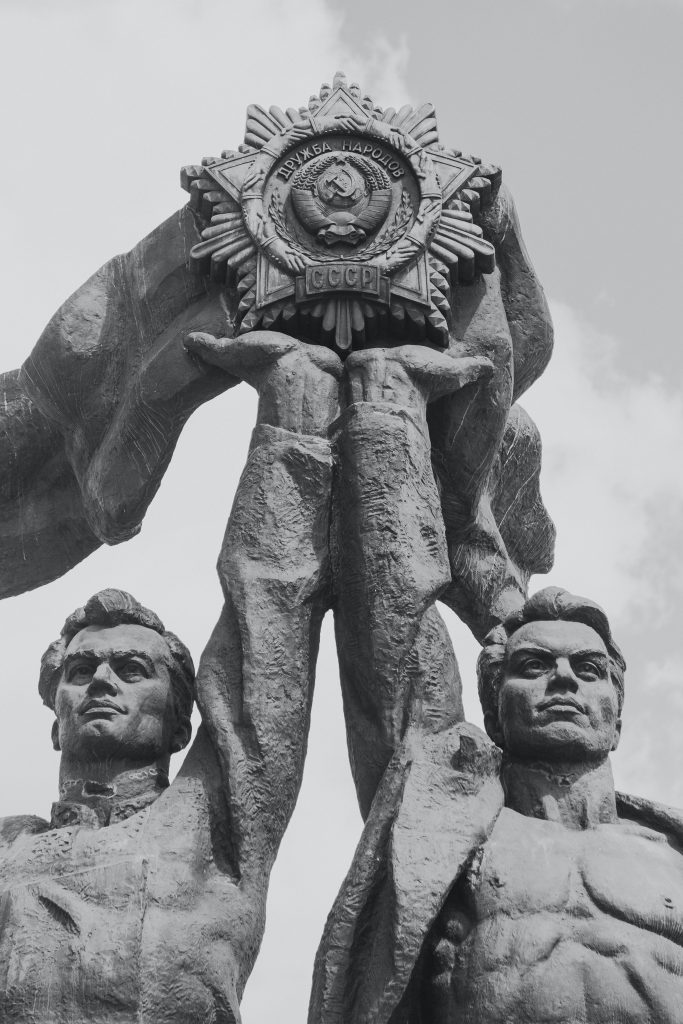
The collapse of the Soviet Union was a significant event that marked the end of the Cold War and the rise of the United States as the world’s sole superpower. The reasons for the collapse of the USSR were complex and multifaceted, but one of the primary factors was the country’s economic decline.
The Soviet economy was characterized by inefficiency, corruption, and a lack of innovation. The government controlled all aspects of the economy, and central planning was used to determine production targets and prices. However, this system proved to be unsustainable, as it led to a shortage of goods and services, widespread poverty, and a lack of incentives for workers. Additionally, the Soviet Union was heavily dependent on oil exports, which made the country vulnerable to fluctuations in the global oil market. When oil prices dropped in the 1980s, the Soviet economy began to crumble.
In this article, we will explore the reasons why the USSR collapsed economically. We will examine the factors that contributed to the country’s decline, including mismanagement of fiscal policy, inflation, and a lack of innovation. We will also discuss the impact of the collapse on the Soviet Union and the world, and consider what lessons can be learned from this historic event.
The Soviet Union’s economic policies played a significant role in its eventual collapse. The government’s attempts at collectivization and a command economy had a devastating effect on the country’s agricultural and industrial sectors.
In the 1920s and 1930s, the Soviet government implemented a policy of collectivization, which aimed to consolidate individual farms into collective farms. The government believed that collectivization would increase agricultural productivity and improve the distribution of resources. However, the policy proved to be a disaster.
Collectivization led to a significant drop in agricultural productivity, as farmers were forced to work on large, communal farms without proper incentives. Many farmers resisted collectivization, leading to violence and the destruction of crops and livestock. The resulting famine, which occurred in the early 1930s, claimed millions of lives.
The Soviet Union’s command economy was another major factor in its economic downfall. The government controlled all aspects of the economy, from production to distribution. The government set production quotas and prices, and there was no competition or market forces to drive innovation or efficiency.
The command economy led to significant inefficiencies and waste. The government often produced goods that were not in demand, resulting in a surplus of goods that went unused. At the same time, there were shortages of essential goods, such as food and consumer goods.
In conclusion, the Soviet Union’s economic policies, including collectivization and a command economy, were major contributors to its eventual collapse. The policies led to inefficiencies, waste, and a lack of innovation, which ultimately undermined the country’s economic stability.
During the Cold War, the Soviet Union was engaged in an arms race with the United States. The Soviet Union’s military spending was a significant factor in its economic collapse. The USSR’s military spending was a significant drain on the country’s resources, and it was one of the primary reasons for the country’s economic decline.
According to Investopedia, the Soviet Union spent approximately 25% of its GDP on military spending during the 1980s. This was a considerable amount of money, and it put a significant strain on the country’s economy. The USSR’s military spending was unsustainable, and it contributed to the country’s economic decline.
The Soviet Union’s military spending was also inefficient. The country’s military was plagued by corruption and inefficiency, which led to a significant waste of resources. The Soviet Union’s military-industrial complex was also bloated and inefficient, which further contributed to the country’s economic decline.
The Soviet Union’s military spending also had a significant impact on the country’s infrastructure. The country’s military spending took resources away from other areas, such as transportation, housing, and education. This led to a decline in the quality of life for many Soviet citizens and contributed to the country’s economic decline.
In conclusion, the Soviet Union’s military spending was a significant factor in the country’s economic collapse. The country’s military spending was unsustainable and inefficient, and it took resources away from other areas that were essential for the country’s economic development. The USSR’s military spending was a significant drain on the country’s resources, and it contributed to the country’s economic decline.
One of the main reasons for the economic collapse of the USSR was the inefficiency of state-owned enterprises. The Soviet economy was based on central planning and state ownership of the means of production. However, this system was plagued by inefficiencies, corruption, and bureaucratic red tape.
State-owned enterprises were not subject to market forces and were not accountable to consumers or shareholders. Instead, they were controlled by government bureaucrats who had little incentive to improve efficiency or productivity. As a result, many state-owned enterprises were poorly managed, outdated, and uncompetitive.
In addition, the Soviet economy suffered from a lack of innovation and technological progress. State-owned enterprises were slow to adopt new technologies and production methods, and often relied on outdated equipment and machinery. This led to low productivity, poor quality products, and high costs.
Moreover, the Soviet economy was heavily dependent on natural resources, particularly oil and gas. This reliance on a single sector made the economy vulnerable to fluctuations in global commodity prices. When oil prices fell in the 1980s, the Soviet economy was hit hard, and the government was forced to borrow heavily to finance its operations.
Overall, the inefficiency of state-owned enterprises was a major factor in the economic collapse of the USSR. The Soviet economy was unable to compete with the more efficient and innovative economies of the West, and was ultimately unable to sustain itself.
The USSR faced significant challenges in the global market that contributed to its economic collapse. This section will explore two of these challenges: lack of technology and dependence on energy exports.
The USSR lagged behind Western countries in technological advancements, which put it at a disadvantage in the global market. The lack of technology meant that the USSR could not produce goods efficiently, and its products were often of lower quality than those produced in the West. This made it difficult for the USSR to compete with Western countries in the global market.
Furthermore, the Soviet government’s centralized control of the economy meant that innovation was stifled. The government did not encourage or reward innovation, and this further hindered the USSR’s ability to compete in the global market.
The USSR was heavily dependent on energy exports, particularly oil and gas, for its economic stability. This made the USSR vulnerable to fluctuations in global energy prices. When oil prices fell in the 1980s, the USSR’s economy suffered a severe blow. The government’s inability to diversify the economy meant that it had no other sources of income to fall back on.
Moreover, the USSR’s energy sector was inefficient and lacked investment. The government did not invest in modernizing the energy sector or improving its efficiency. This meant that the USSR’s energy exports were often of lower quality than those of its competitors. As a result, the USSR could not command the same prices for its energy exports as other countries.
In conclusion, the USSR faced significant challenges in the global market that contributed to its economic collapse. The lack of technology and dependence on energy exports were two of the most significant challenges that the USSR faced.
The Soviet Union’s political instability played a significant role in its economic collapse. The country’s political system was plagued by corruption and bureaucracy, which hindered progress and led to widespread dissatisfaction among the population.
Corruption was rampant at all levels of the Soviet government, from local officials to top party leaders. Bribery, nepotism, and embezzlement were common practices, and officials often abused their power for personal gain. This led to a lack of trust in the government and a growing sense of disillusionment among the people.
The Soviet Union’s bureaucracy was notoriously inefficient and slow-moving. The country’s centralized planning system was designed to promote economic development, but it often led to delays and bottlenecks in the production process. The government’s strict control over the economy stifled innovation and entrepreneurship, and the country lagged behind in technological advancements.
In addition, the Soviet Union’s bureaucracy was notoriously difficult to navigate. Obtaining permits, licenses, and other necessary paperwork was a time-consuming and frustrating process, which discouraged many people from starting businesses or pursuing other economic opportunities.
Overall, the Soviet Union’s political instability was a major contributing factor to its economic collapse. Corruption and bureaucracy hindered progress and innovation, leading to widespread dissatisfaction among the population.
There were several economic reasons for the disintegration of the USSR. One of the primary reasons was the inefficient centralized planning system, which failed to allocate resources efficiently. The Soviet economy was heavily dependent on oil exports, and when the oil prices fell in the 1980s, the Soviet economy suffered a severe blow. The Soviet Union’s inability to keep pace with technological advancements also contributed to its economic downfall.
The Soviet Union’s economic failures were many. The Soviet economy was characterized by a lack of innovation, inefficiency, and low productivity. The centralized planning system was unable to allocate resources efficiently, leading to a lack of consumer goods and food shortages. The Soviet Union’s inability to keep up with technological advancements also contributed to its economic downfall.
The biggest reason for the collapse of the Soviet Union was its economic failure. The Soviet economy was inefficient, stagnant, and unable to keep pace with technological advancements. The centralized planning system was unable to allocate resources efficiently, leading to a lack of consumer goods and food shortages. The Soviet Union’s heavy dependence on oil exports also contributed to its downfall.
There were several factors that brought about the collapse of the Soviet Union. The four most significant factors were economic stagnation, political repression, military overspending, and the Chernobyl disaster. The Soviet Union’s inefficient centralized planning system was unable to allocate resources efficiently, leading to economic stagnation. The Soviet government’s political repression and lack of freedom contributed to its citizens’ discontent. The Soviet Union’s military overspending also contributed to its economic downfall. The Chernobyl disaster was a significant blow to the Soviet Union’s economy and reputation.
There were several reasons for the collapse of the Soviet Union. The five most significant reasons were economic stagnation, political repression, military overspending, the Chernobyl disaster, and the collapse of the Soviet Union’s satellite states in Eastern Europe. The Soviet Union’s inefficient centralized planning system was unable to allocate resources efficiently, leading to economic stagnation. The Soviet government’s political repression and lack of freedom contributed to its citizens’ discontent. The Soviet Union’s military overspending also contributed to its economic downfall. The Chernobyl disaster was a significant blow to the Soviet Union’s economy and reputation. The collapse of the Soviet Union’s satellite states in Eastern Europe weakened the Soviet Union’s political and economic influence in the region.
The USSR economy failed due to several reasons. The inefficient centralized planning system was unable to allocate resources efficiently, leading to economic stagnation. The Soviet Union’s heavy dependence on oil exports also contributed to its economic downfall. The Soviet government’s political repression and lack of freedom contributed to its citizens’ discontent. The Soviet Union’s military overspending also contributed to its economic downfall. The Soviet Union’s inability to keep up with technological advancements and lack of innovation also played a significant role in its economic failure.