







The Story of Blackrock: From Humble Beginnings to Global Investment Powerhouse
June 3, 2023


The Stock Market Crash of 1929 was one of the most significant financial events in American history. It was a catastrophic event that led to the Great Depression in the United States and ultimately affected the global economy. The crash was the result of a combination of factors, including speculation, overproduction, and a lack of government regulation.
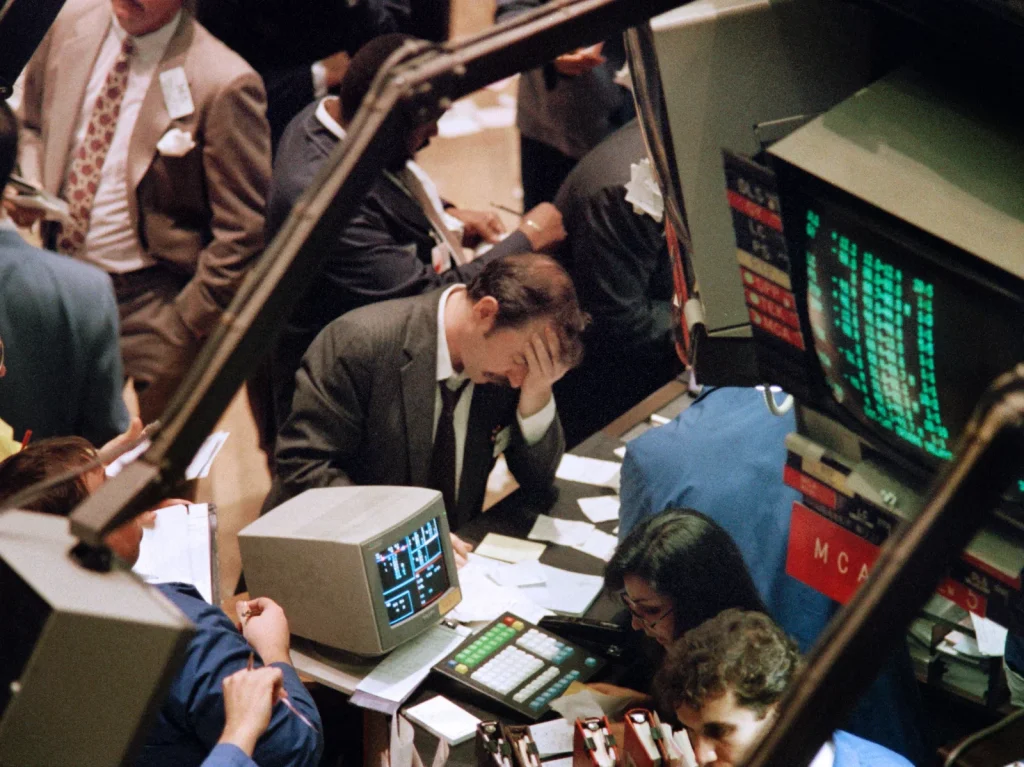
On October 24, 1929, also known as Black Thursday, the stock market began to plummet. Investors panicked and began selling their shares, causing the market to spiral out of control. The following Monday, known as Black Monday, the market continued to decline, and on Tuesday, October 29, 1929, known as Black Tuesday, the market crashed. The Dow Jones Industrial Average (DJIA) lost 12% of its value, and investors lost billions of dollars. The crash was a devastating blow to the American economy, and it took years for the country to recover.
The Stock Market Crash of 1929 had far-reaching effects on the American economy and society. It led to widespread unemployment, poverty, and homelessness. Banks failed, and people lost their life savings. The crash exposed the flaws in the American financial system and led to the creation of new regulations and government agencies to prevent future economic disasters. The effects of the crash were felt for decades, and it remains a cautionary tale for investors and policymakers today.
The stock market crash of 1929 was a catastrophic event that occurred in the United States. It was a collapse of stock prices that began on October 24, 1929, and continued until October 29, 1929. This event is considered one of the worst declines in U.S. history, with the Dow Jones Industrial Average dropping by 30.57% in just a few days.
The crash of 1929 is often associated with the Great Depression, which was a period of economic downturn that lasted from 1929 to 1939. The stock market crash of 1929 was a major contributing factor to the Great Depression, which had a profound impact on the United States and the world economy.
The stock market crash of 1929 was caused by a combination of factors, including overvalued stocks, speculation, and excessive borrowing. Many investors had put their money into stocks that were overvalued, meaning that the stocks were priced higher than their actual worth. This led to a bubble in the stock market, which eventually burst.
The crash of 1929 had far-reaching effects on the economy, businesses, and individuals. It destroyed confidence in the stock market and led to widespread panic among investors. As a result, many businesses and farms lost money, causing them to shut down and lay off workers. Banks also closed as a result of the crash, leading to a financial crisis that affected the entire country.
The stock market crash of 1929 was caused by a combination of factors that led to a perfect storm of economic collapse. Some of the main causes of the Great Depression were overproduction and underconsumption, speculation and margin buying, and banking system issues.
One of the primary causes of the stock market crash of 1929 was overproduction and underconsumption. During the 1920s, there was a rapid increase in industrial production, which led to an oversupply of goods. However, many consumers did not have the purchasing power to buy these goods, which led to a decrease in demand. This resulted in a surplus of goods and a decrease in prices, which led to a decrease in profits for businesses.
Another major cause of the stock market crash of 1929 was speculation and margin buying. During the 1920s, many investors were speculating on the stock market, buying stocks based on the expectation that they would increase in value. This led to a speculative bubble, which caused stock prices to rise to unsustainable levels.
Many investors also bought stocks on margin, which means they borrowed money from their brokers to buy stocks. This allowed investors to buy more stocks than they could afford, which further fueled the speculative bubble. When the stock market began to decline, many investors were unable to pay back their loans, which led to a wave of margin calls and forced selling.
The banking system also played a significant role in the stock market crash of 1929. During the 1920s, many banks engaged in risky practices, such as investing depositors’ money in the stock market. When the stock market began to decline, many banks suffered significant losses, which led to bank failures and a loss of confidence in the banking system.
Additionally, the Federal Reserve System, which was responsible for regulating the money supply, failed to take action to prevent the economic collapse. The Federal Reserve did not increase the money supply, which led to a decrease in lending and a decrease in economic activity.
Overall, the stock market crash of 1929 was caused by a combination of factors, including overproduction and underconsumption, speculation and margin buying, and banking system issues. These factors led to a decline in demand, a speculative bubble, and a loss of confidence in the banking system, which ultimately resulted in the Great Depression.
The Stock Market Crash of 1929 had a profound impact on the United States and the world. The effects of the crash were felt immediately and continued to be felt for years to come.
The immediate effects of the stock market crash were devastating. On October 24, 1929, also known as Black Thursday, the stock market lost $11 billion in value. Panic selling ensued, and the market continued to decline over the next several days. By October 29, 1929, also known as Black Tuesday, the market had lost another $14 billion in value. In total, the stock market lost $30 billion in value during the month of October 1929.
The immediate effects of the stock market crash were widespread. Banks failed, businesses closed, and unemployment skyrocketed. By 1932, the unemployment rate in the United States had reached 25%. People lost their life savings, and many were left destitute. The crash destroyed confidence in the stock market and the economy as a whole.
The long-term effects of the stock market crash were equally devastating. The crash was a major contributor to the Great Depression, which lasted from 1929 to 1939. The Great Depression was the longest and most severe economic downturn in the history of the industrialized world.
The effects of the Great Depression were felt worldwide. Industrialized and non-industrialized countries alike were affected by the economic downturn. The Great Depression led to widespread poverty, hunger, and homelessness. It also had political implications, leading to the rise of authoritarian regimes in Europe and the outbreak of World War II.
In conclusion, the stock market crash of 1929 had far-reaching effects on the United States and the world. The immediate effects were devastating, and the long-term effects were equally severe. The crash contributed to the Great Depression, which had profound economic, social, and political consequences.
The stock market crash of 1929 was caused by a combination of factors, including speculation, excessive borrowing, and a lack of government regulation. The effects of the crash were widespread and devastating, leading to the Great Depression, which lasted for several years and affected millions of people in the United States and around the world.
The main cause of the 1929 stock market crash was speculation. Many investors were buying stocks on margin, meaning they were borrowing money to buy more stocks than they could afford. When the market began to decline, investors were forced to sell their stocks, which led to a further decline in prices.
The stock market crash led to the Great Depression by causing widespread panic among investors and leading to a decline in consumer spending. As businesses began to lay off workers, unemployment rates soared, and many people were unable to pay their bills or afford basic necessities. The government’s response to the crisis was slow and ineffective, which only made the situation worse.
While many people lost money in the stock market crash of 1929, some investors were able to profit from the crisis by short selling stocks or buying stocks at low prices and holding onto them until the market recovered.
The stock market crash of 2008 occurred on September 29, 2008, when the Dow Jones Industrial Average fell by 777.68 points, marking one of the largest single-day drops in U.S. history.