










Biggest Investment Banks: A Comprehensive Guide to the Leading Financial Institutions
May 30, 2023

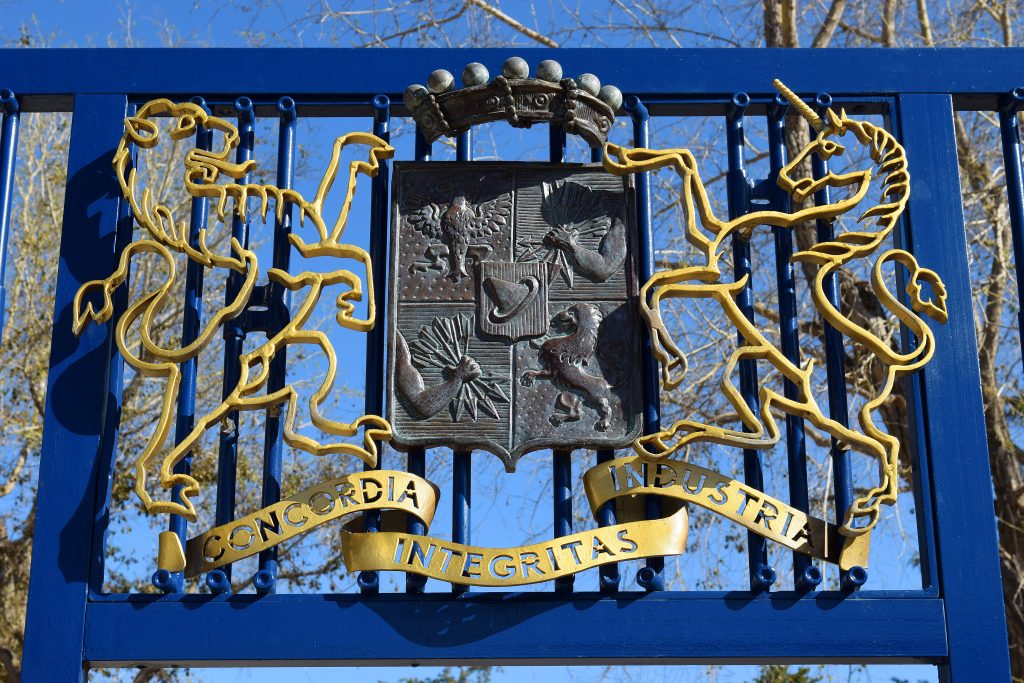
The Rothschild family is one of the most well-known and influential banking dynasties in the world. The family’s history dates back to the late 18th century when Mayer Amschel Rothschild established his banking business in Frankfurt, Germany. With his five sons, he expanded the business across Europe, becoming one of the wealthiest families in the world.
Over the years, the Rothschild family has played a significant role in the economic and political history of Europe. They were known for their shrewd business practices and were instrumental in financing various wars and conflicts. The family’s wealth and influence have led to numerous conspiracy theories, with some suggesting that they control the world’s governments and financial systems.
Despite the family’s wealth and power, they have also been subject to criticism and controversy. Some have accused them of exploiting their influence for personal gain or engaging in unethical practices. However, the Rothschild family remains an important part of history and continues to be a topic of interest for many people around the world.
The Rothschild family is one of the most famous and influential European banking dynasties. The family was founded by Mayer Amschel Rothschild in the late 18th century, and it quickly grew to become one of the most powerful financial institutions in the world. The Rothschilds played a crucial role in shaping the economic and political history of Europe, and their legacy continues to influence the global financial system to this day.
Mayer Amschel Rothschild was born in Frankfurt, Germany in 1744. He was the son of a moneychanger and goldsmith, and he learned the family business at a young age. In 1760, he moved to Hanover to work as a clerk for a bank owned by the Oppenheimers, a wealthy Jewish family. Rothschild quickly proved himself to be a talented and shrewd businessman, and he soon rose through the ranks to become a junior partner in the firm.
In 1763, Rothschild returned to Frankfurt to start his own business. He opened a small shop that specialized in rare coins and other valuable collectibles. Over time, his business grew, and he began to expand into banking and finance. He established relationships with wealthy clients throughout Europe, and he became known for his ability to provide loans and other financial services to monarchs and other powerful figures.
In the late 18th and early 19th centuries, the Rothschild family expanded its banking empire throughout Europe. Mayer Amschel Rothschild had five sons, and each of them established a branch of the family business in a different European city. Nathan Rothschild, the third son, established the family’s London branch, which quickly became one of the most powerful financial institutions in the world.
The Rothschilds played a crucial role in financing major historical events, including the Napoleonic Wars. They also played a key role in the development of the modern banking system, and they were instrumental in the creation of the Bank of England and other central banks throughout Europe.
Today, the Rothschild family continues to be one of the most influential financial institutions in the world. The family’s businesses have expanded to encompass a wide range of industries, including mining, energy, real estate, and winemaking. Despite their immense wealth and power, the Rothschilds have remained relatively private and low-key, and they continue to exert a significant influence on the global financial system behind the scenes.
The Rothschild family has been involved in various business ventures throughout their history. They have been known for their expertise in banking, mining and resources, wineries and vineyards, and art and antiques.
The Rothschild family is famously known for their banking business, which has been in operation for over 200 years. The family’s banking business began with Mayer Amschel Rothschild, who established his banking business in the 1760s. The Rothschilds’ banking business has played a significant role in the economic and political history of Europe. They have advised sovereigns and corporate giants, and have built an international banking dynasty.
The Rothschilds have also been involved in the mining and resources industry. They have invested in various mining projects around the world, including gold and diamond mines in South Africa. In addition, they have invested in oil and gas companies, and have been involved in the production and distribution of natural resources.
The Rothschilds have a long history in the wine industry, and are known for their high-quality wines. They own vineyards in France, South Africa, and Argentina, and produce some of the world’s most prestigious wines. The family’s wine business began with Baron Philippe de Rothschild, who established the renowned Chateau Mouton Rothschild winery in Bordeaux, France.
The Rothschilds have been avid collectors of art and antiques for generations. They have amassed an impressive collection of paintings, sculptures, and other art objects from around the world. The family has also been involved in the art market, buying and selling works of art and antiques. They have established several museums and galleries to showcase their collections.
Overall, the Rothschild family has been involved in various business ventures throughout their history. They have been successful in banking, mining and resources, wineries and vineyards, and art and antiques. Their expertise in these industries has enabled them to build a vast empire and establish themselves as one of the most influential families in the world.
The Rothschild family is well-known for their philanthropic activities. Over the years, the family has supported a wide range of charitable causes and established several foundations to ensure that their legacy of giving back to society continues.
One of the main philanthropic trusts established by the Rothschild family is The Rothschild Foundation. This foundation focuses solely on the UK and spans a wide range of charitable activities including the arts, heritage and culture, healthcare, and medical research. The foundation has supported many organizations over the years, including the British Museum, the National Gallery, and the Royal Opera House.
In addition to The Rothschild Foundation, the family also supports other philanthropic trusts. For example, the Edmond de Rothschild Foundations is an international philanthropic organization that regroups a number of historic legacies instituted by heirs of the Rothschild banking dynasty. The foundation supports a wide range of causes, including environmental sustainability, education, and social entrepreneurship.
The Rothschild family’s philanthropic activities are not limited to their own foundations, however. Members of the family also support various charitable organizations and initiatives around the world. For example, Jacob, 4th Lord Rothschild, chairs the trustees who ensure that Dorothy de Rothschild’s wishes are fulfilled. Dorothy de Rothschild was a passionate supporter of the arts, and her legacy continues through the family’s support of many arts organizations.
Overall, the Rothschild family’s philanthropic activities demonstrate their commitment to giving back to society and making a positive impact on the world. Through their foundations and support of various charitable causes, the family has helped to improve the lives of countless people around the world.
The Rothschild family has been the subject of many controversies over the years, mostly due to their immense wealth and influence in the world of finance. Here are a few of the most notable controversies associated with the family:
One of the most persistent controversies surrounding the Rothschild family is the accusation of anti-Semitism. The family has been accused of manipulating financial markets, controlling governments, and even orchestrating wars. These accusations are often rooted in anti-Semitic conspiracy theories that have been circulating for centuries.
Despite the fact that these accusations have been thoroughly debunked, they continue to be perpetuated by some groups and individuals. In recent years, members of the Rothschild family have spoken out against these accusations and have worked to combat anti-Semitism in all its forms.
Another controversy associated with the Rothschild family is their involvement in colonialism and slavery. The family’s wealth was largely built on the profits of their banking and trading operations, which included investments in industries that relied heavily on slave labor.
While the Rothschild family did not directly own slaves, they profited from industries that relied on slave labor, such as cotton and sugar. In recent years, some members of the family have acknowledged this history and have worked to address the legacy of slavery and colonialism.
The Rothschild family has also been accused of exerting undue political influence in various countries around the world. Some have accused the family of using their wealth to manipulate elections and sway political decisions in their favor.
While it is true that the Rothschild family has had significant influence in the world of finance and politics, it is difficult to determine the extent to which they have used this influence for their own gain. Many members of the family have been involved in philanthropic endeavors and have used their wealth to support various charitable causes.
Despite the controversies surrounding the Rothschild family, there is no denying their significant impact on the world of finance and politics. While some of their actions may be controversial, it is important to consider the context in which they occurred and to avoid making exaggerated or false claims about their influence.