Savingsprout
Debt Management: Strategies for a Debt-Free Life
Thomas Groenvold
Updated on
May 15, 2023
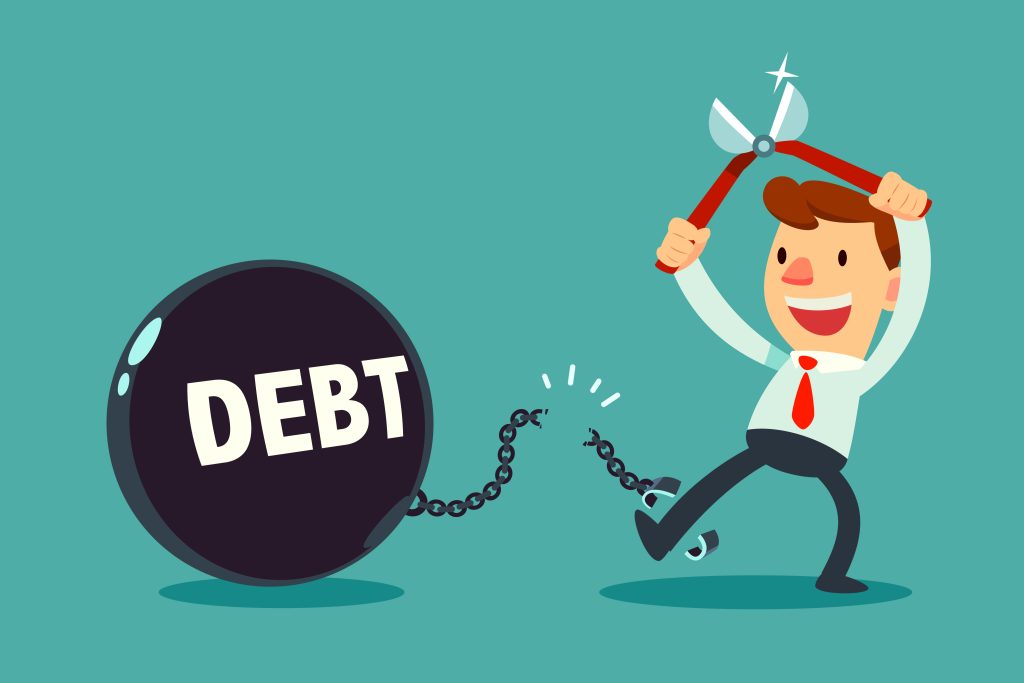
Debt can be a significant source of financial stress and can impede your progress towards achieving your financial goals. Whether you’re dealing with credit card debt, student loans, or a mortgage, having a solid debt management strategy in place is crucial for regaining control of your finances and working towards a debt-free life. In this article, we will discuss different types of debt, their impact on your financial health, and provide actionable tips for managing and eliminating your debt.
Types of Debt
Debt can generally be categorized into two types: good debt and bad debt.
- Good debt: Good debt is typically associated with investments that have the potential to increase in value or generate income over time. Examples of good debt include mortgages, student loans, and business loans. While taking on good debt still carries risk, it can contribute positively to your financial situation in the long run.
- Bad debt: Bad debt is typically associated with high-interest rates and purchases that do not generate long-term value. Examples of bad debt include credit card debt, payday loans, and high-interest personal loans. Bad debt can hinder your financial growth and should be managed carefully.
Debt Management Strategies
Effectively managing your debt involves understanding your financial situation, setting realistic goals, and implementing strategies to reduce your debt over time. Here are some actionable tips to help you manage and eliminate your debt:
- Create a budget: Developing a budget that accounts for all your income and expenses is crucial for understanding your financial situation and identifying areas where you can reduce spending and allocate more funds towards debt repayment.
- Prioritize your debts: Focus on paying off high-interest debt first, as it will cost you the most in interest payments over time. This strategy, known as the “avalanche method,” can save you money and help you pay off your debt faster.
- Make extra payments: Whenever possible, make additional payments towards your debt principal. This will reduce the overall amount you owe and can help you pay off your debt more quickly.
- Consider debt consolidation: If you have multiple high-interest debts, consider consolidating them into a single loan with a lower interest rate. This can simplify your debt repayment process and potentially save you money on interest.
- Seek professional help: If you’re struggling to manage your debt on your own, consider seeking help from a credit counselor or financial advisor. They can provide guidance on budgeting, debt management strategies, and help you create a plan tailored to your financial situation.
- Build an emergency fund: Having an emergency fund can help you avoid taking on more debt when unexpected expenses arise. Aim to save at least three to six months’ worth of living expenses in a separate, easily accessible account.
- Stay disciplined and patient: Reducing your debt takes time and commitment. Stay focused on your goals, make adjustments to your financial plan as needed, and celebrate your progress along the way.
Conclusion
Managing and eliminating debt is an essential aspect of achieving financial stability and freedom. By understanding the different types of debt, creating a budget, and implementing debt management strategies, you can regain control of your finances and work towards a debt-free life. Remember, the journey to becoming debt-free requires patience and persistence, but the financial freedom and peace of mind that come with it are well worth the effort.
Most Popular Terms