





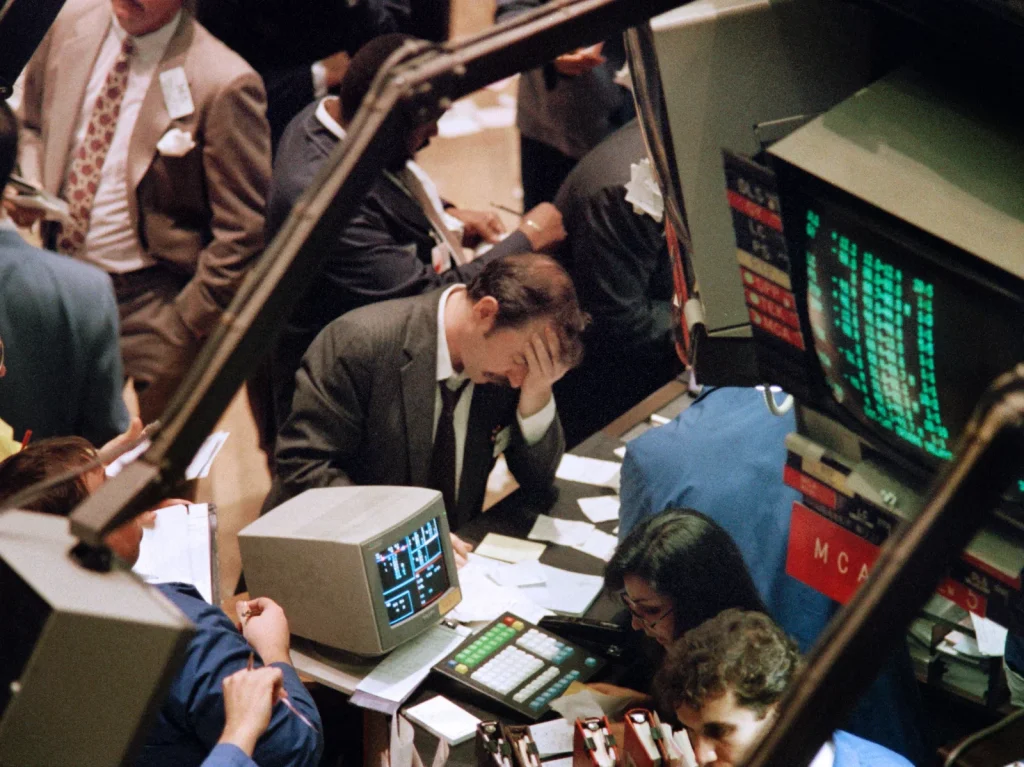




How Silicon Valley Bank Failed: An Insider Look at the Factors Behind the Bank’s Downfall
June 2, 2023

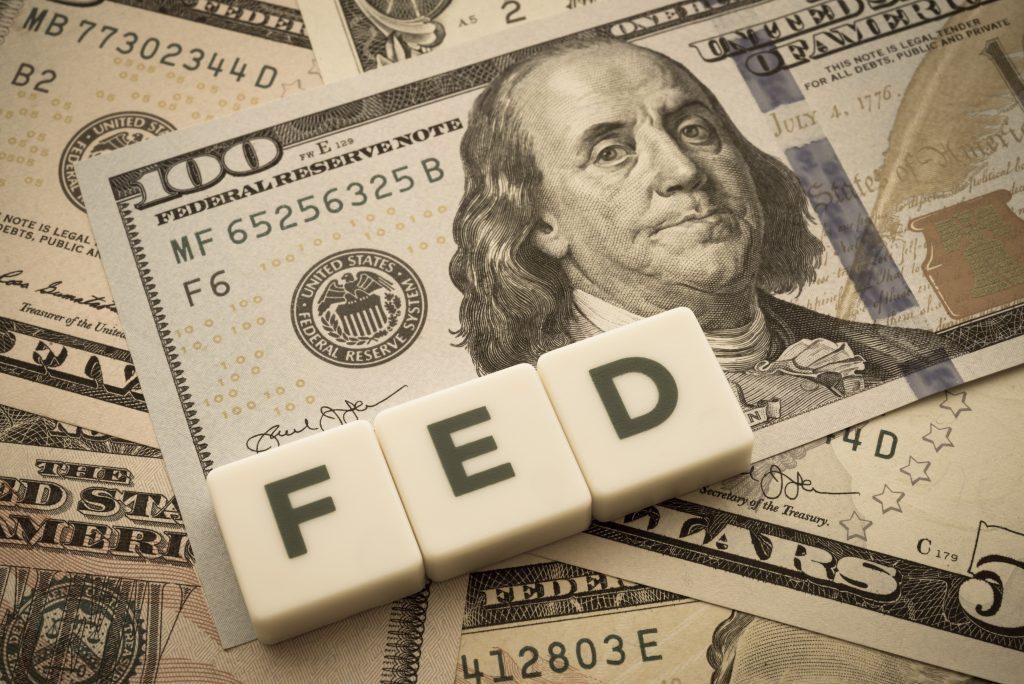
The Federal Reserve officials have raised the federal funds rate for the third time this year, following seven consecutive rate increases in 2022. The new target rate increased by 0.25 of a percentage point to a range of 4.75% to 5%. This increase can have a significant impact on savings accounts, as it will affect the interest rates that banks offer on deposits.
For savers, the higher interest rates can be a blessing, as they can earn more money on their savings accounts. However, this also means that borrowing money becomes more expensive, which can affect those with loans or credit card debt. The rate increase can also impact the stock market, as higher interest rates can make stocks less attractive to investors, causing a decline in prices.
It is important to note that the federal funds rate is not the same as the interest rate on savings accounts. Banks may choose to increase or decrease their interest rates on deposits independently of the federal funds rate. However, the federal funds rate can influence the interest rates that banks offer on savings accounts, and savers should keep an eye on any changes in interest rates to ensure they are getting the best return on their savings.
The Federal Reserve System, commonly referred to as “the Fed,” is the central banking system of the United States. It is responsible for implementing monetary policy, regulating financial institutions, and maintaining the stability of the financial system. One of the key tools the Fed uses to achieve these goals is the federal funds rate.
The federal funds rate is the interest rate at which depository institutions lend and borrow reserve balances with each other overnight. It is one of the most important interest rates in the U.S. economy because it affects the cost of borrowing and lending for banks, businesses, and consumers. When the Fed wants to stimulate the economy, it lowers the federal funds rate, and when it wants to slow down the economy, it raises the federal funds rate.
A Fed rate increase, therefore, is when the Fed raises the federal funds rate. This means that banks and other depository institutions will have to pay more to borrow money from each other overnight. This increase in the cost of borrowing and lending affects the entire economy, as it can lead to higher interest rates on loans, credit cards, and mortgages. On the other hand, a Fed rate decrease can lead to lower interest rates and stimulate borrowing and spending.
The Federal Reserve’s decision to increase the federal funds rate has a direct impact on the interest rates offered by banks on savings accounts. This section will explore how the Fed rate increase affects savings accounts.
When the Fed raises the federal funds rate, banks typically follow suit by increasing the interest rates on savings accounts. This means that savers can earn more interest on their deposits. For example, if the federal funds rate increases by 0.25%, a bank may increase its savings account interest rate by the same amount.
However, it’s important to note that not all banks will increase their savings account interest rates immediately after a Fed rate increase. Some banks may take a few weeks or even months to adjust their rates.
The annual percentage yield (APY) on a savings account is the total amount of interest earned on the account over a year, expressed as a percentage of the account balance. When the Fed raises the federal funds rate, the APY on savings accounts also tends to increase.
For example, if a savings account has an APY of 1% and the Fed raises the federal funds rate by 0.25%, the bank may increase the APY on the savings account to 1.25%. This means that savers will earn more interest on their deposits over the course of a year.
It’s important to keep in mind that the APY on savings accounts can vary widely between banks. Savers should shop around to find the best APY for their savings goals.
In summary, the Fed rate increase can have a positive impact on savers by increasing the interest rates and APY on savings accounts. However, savers should be aware that not all banks will adjust their rates immediately and that the APY on savings accounts can vary widely between banks.
With the recent Fed rate increase, many savers are wondering what they should do with their savings accounts. Here are a few options to consider:
While the Fed rate increase doesn’t necessarily mean that your bank will increase the interest rates on your savings account, it’s still worth shopping around to see if you can find a better rate. Look for online banks or credit unions that offer higher interest rates than traditional brick-and-mortar banks. Use comparison websites to compare rates and fees.
Certificates of deposit (CDs) and money market accounts often offer higher interest rates than traditional savings accounts. However, they may require a higher minimum deposit or have restrictions on withdrawals. Consider your financial goals and liquidity needs before opening one of these accounts.
If you have high-interest debt, such as credit card debt, consider using your savings to pay it off. This can save you money in the long run by reducing the amount of interest you pay. However, make sure you have enough savings left over for emergencies.
If you’re looking to earn a higher return on your savings, consider investing in a low-risk option such as a bond fund or a dividend-paying stock. However, keep in mind that all investments come with risks and you should do your research before investing.
In summary, there are several options to consider with your savings account after a Fed rate increase. Shop around for higher interest rates, consider a CD or money market account, pay off high-interest debt, or invest in a low-risk option. Ultimately, the best option depends on your financial goals and risk tolerance.