
Debt Avalanche Method: An Efficient Strategy for Paying Down Debt
The Debt Avalanche Method is an effective strategy that prioritizes paying off debts according to their interest rates, focusing first on the debt with the highest interest. This method is particularly advantageous for individuals looking to minimize the amount of interest paid over time. By targeting the most expensive debt first, it allows for a more cost-efficient approach to debt repayment.
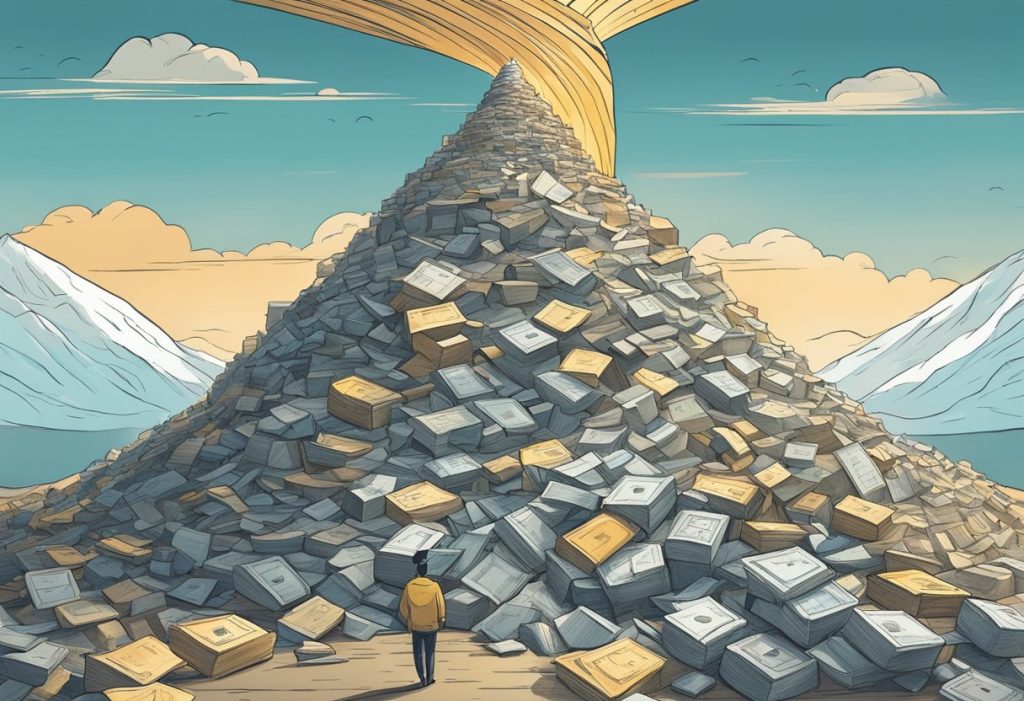
Once the highest interest debt is completely paid off, the payments that were going to that debt are then redirected to the debt with the next highest interest rate. This process continues, with the excess payment “avalanche” rolling over to the next highest interest debt each time one is cleared, which accelerates the repayment process. The emotional satisfaction of paying off individual debts is less emphasized compared to other methods, prioritizing instead the logical approach of reducing total interest paid.
While this method is mathematically sound in reducing overall interest expenses, it does require discipline and a solid understanding of personal finances to implement effectively. It’s an approach suited for those who are motivated by numbers and tangible savings on interest payments over the psychological wins of paying off smaller debts first.
Explore debt payoff strategies with SavingSprout!
Understanding the Debt Avalanche Method
The Debt Avalanche Method is a systematic approach to paying off debt. It prioritizes debts by interest rates, focusing on paying off the ones with the highest rates first while making minimum payments on others. This method is strategic, as it targets the most costly debts and can lead to significant interest savings over time.
How it works:
- List your debts: From the highest interest rate to the lowest.
- Minimum payments: Continue making the minimum payments on all debts.
- Extra payments: Direct any extra money to the debt with the highest interest rate.
Once the debt with the highest interest rate is paid off, the extra money is then channeled to the debt with the next highest interest rate. This “avalanche” continues until all debts are paid off.
Why it’s efficient:
- The focus on high-interest rates reduces the total interest paid.
- It can be quicker than methods focusing on the debt size.
People using the Debt Avalanche Method should remain committed and disciplined, as it may take time before they see the principal balances start to significantly decrease, especially if their highest interest debts also have large balances. It is important to also consider that while this method can be mathematically more efficient, it requires a strict adherence to the process to be effective.
How the Debt Avalanche Method Works
The Debt Avalanche Method is a systematic approach to paying off debt that prioritizes high-interest rate debts to minimize interest over time.
Prioritizing Debts
- List all Debts: Borrowers compile a list of all outstanding debts, ranking them by interest rate from highest to lowest, regardless of balance.
- Focus on High-Interest Debts: The primary objective is to pay off debts with the highest interest rates first because these are the debts that cost the most over time.
Calculating Payments
- Minimum Payments: Borrowers must continue to make the minimum payments on all their debts to avoid penalties and negative impacts on their credit scores.
- Extra Payments: Any additional funds available should be applied to the debt with the highest interest rate. Once that debt is paid off, the extra payments are directed to the debt with the next highest interest rate, and so on.
Benefits of the Debt Avalanche Method
The Debt Avalanche Method optimizes the repayment of debt by prioritizing the debts with the highest interest rates. This method not only mitigates the overall interest paid over time but also can enhance fiscal discipline and potentially aid in improving one’s credit score.
Interest Savings
The hallmark advantage of the Debt Avalanche Method is the potential for significant interest savings. By allocating extra payments to the debts with the highest interest rates first, and only making minimum payments on the rest, a debtor can reduce the total interest accrued. As high-interest loans are paid off, the saved interest can be channeled to tackle other debts, creating a snowball effect of savings.
- Example: If a debt of $10,000 at 20% interest is paid off first, as opposed to a debt with the same balance at a 5% interest rate, the interest saved is substantial.
Motivation and Discipline
Implementing the Debt Avalanche requires and reinforces motivation and fiscal discipline. Prioritizing debt by interest rates demands a strategic approach and a commitment to a long-term plan, which can keep an individual focused on their financial goals.
- Steps Involved:
- List out all debts from highest to lowest interest rate.
- Pay extra amounts towards the debt with the highest interest while maintaining minimum payments on others.
- Progress to the next highest interest-bearing debt once the first is paid off.
Credit Score Impact
When high-interest debts are paid down, the Debt Avalanche Method can have a positive impact on one’s credit score. This is attributed to the reduction in credit utilization and the timely payment of the debts, which are critical factors in calculating credit scores.
- Credit Utilization: Reducing the balance on revolving credit lines, such as credit cards with high interest, can decrease credit utilization ratios, a key component of credit score calculations.
Setting Up a Debt Avalanche Plan
The Debt Avalanche Plan prioritizes paying off debts with the highest interest rates first, which can potentially save money on interest payments over time. Adhering to this approach requires an assessment of one’s debt and crafting a payment schedule.
Assessing Your Debt
One begins by listing all debts from the one with the highest interest rate to the one with the lowest. It’s critical to gather accurate data on outstanding balances, interest rates, and minimum monthly payments. For example:
| Debt | Interest Rate | Minimum Monthly Payment |
|---|---|---|
| Credit Card A | 20% | $50 |
| Credit Card B | 18% | $30 |
| Personal Loan | 15% | $120 |
| Car Loan | 5% | $250 |
The focus is to maintain minimum payments on all debts while allocating extra funds to the debt with the highest interest rate.
Creating a Payment Schedule
After determining the order of payments, the individual sets up a payment schedule. Budgeting to allocate additional funds to the highest interest debt accelerates its repayment. Here’s a simplified structure:
- Minimum payments: List out the minimum payments for each debt.
- Extra payment: Determine the total extra amount available for the highest interest debt.
- Adjust as needed: Reassess the budget and the extra payment regularly to improve repayment efficiency.
By consistently applying extra funds to the highest interest debt, one will systematically eliminate each debt in the list.
Challenges and Considerations
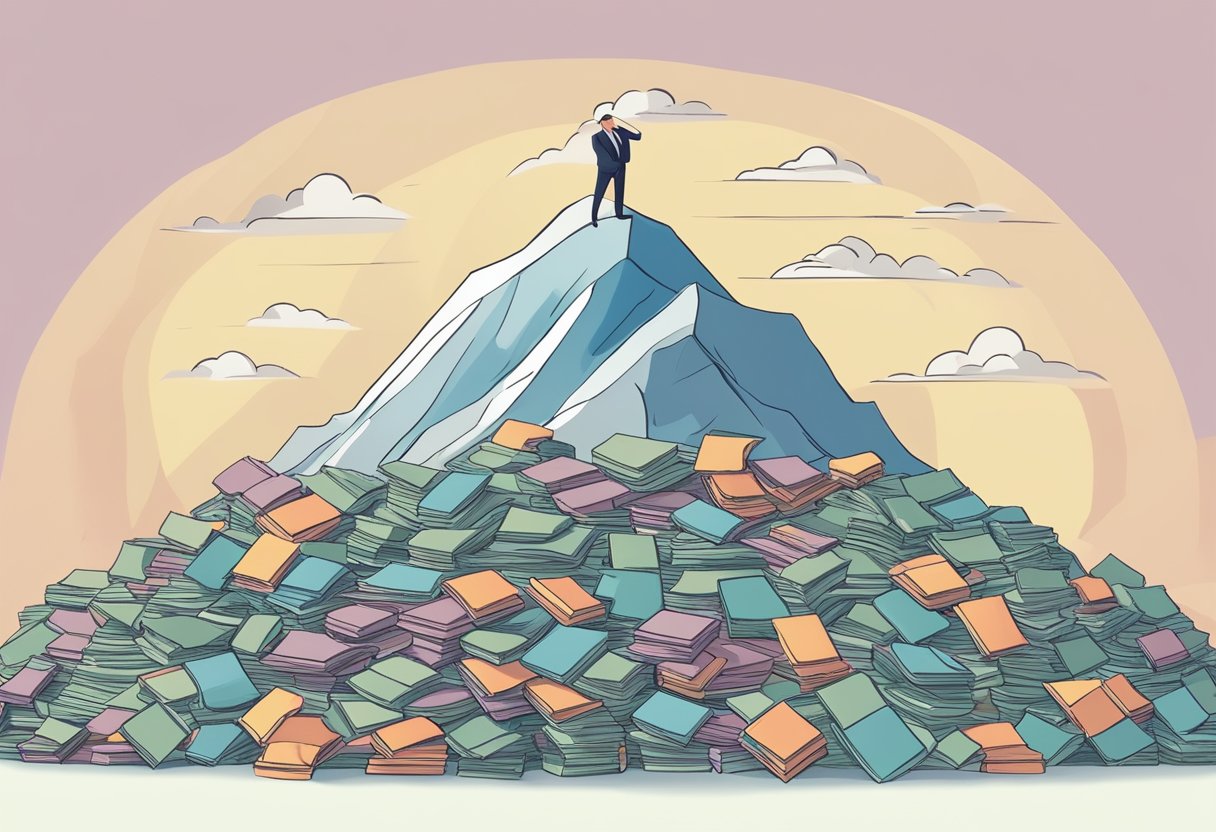
When considering the debt avalanche payment strategy, individuals must be aware of particular complications that can impact the efficiency and cost-effectiveness of this method.
Debt with Variable Interest Rates
Debts with variable interest rates present a unique challenge. As these rates fluctuate, the debt’s priority in the repayment plan may change. It requires constant monitoring and adjustment of the debt repayment hierarchy to ensure that the highest-interest debt is always targeted first. This can complicate the simplicity of the debt avalanche method, as borrowers cannot set a fixed plan and forget it; they need to stay vigilant about rate changes.
Debt with Prepayment Penalties
Some debts might come with prepayment penalties, which are fees charged by lenders for paying off debt early. When a borrower prioritizes paying off a debt with a high-interest rate that also has a steep prepayment penalty, it can diminish the overall savings expected from the strategy. It is crucial to calculate the cost of these penalties and compare them against the potential interest savings to ensure that paying off the debt aggressively is still financially beneficial.
Comparing Debt Repayment Strategies
Choosing the right debt repayment strategy can have a significant impact on the time and money it takes to become debt-free. Two popular methods are the Debt Avalanche and Debt Snowball approaches, while Debt Consolidation serves as an alternative strategy.
Debt Avalanche vs. Debt Snowball
Debt Avalanche prioritizes paying off debts with the highest interest rates first. The consumer makes minimum payments on all debts, but allocates excess funds to the debt with the highest interest rate. Once the highest-interest debt is paid off, the focus shifts to the next highest-interest debt.
- Advantages: Saves money on interest and may lead to a quicker payoff timeframe for all debts.
- Disadvantages: Requires discipline and might not provide the psychological wins of paying off small debts first.
Debt Snowball method, in contrast, emphasizes paying debts from the smallest to largest balance, regardless of interest rates. The method involves paying minimum amounts on all debts while directing extra funds to the smallest debt until it’s paid off. Then, the funds for the paid-off debt are rolled into payments for the next smallest debt.
- Advantages: Offers quick wins, which can boost motivation and morale.
- Disadvantages: May result in paying more interest over time compared to the debt avalanche method.
Debt Avalanche vs. Debt Consolidation
Debt Consolidation combines several debts into one single debt, typically with a lower interest rate. This method simplifies payment schedules and can lower monthly payments.
- Advantages: Streamlines debt into one manageable payment and may reduce the interest rate.
- Disadvantages: Potential for longer payment periods, which could increase the total amount of interest paid over time if not managed properly.
Debt Avalanche often results in a faster payoff for high-interest debts compared to debt consolidation strategies. However, it requires maintaining the existing separate accounts, each with its own terms and payment schedules.
- Advantages: Focuses on reducing the most expensive debts first, potentially saving significant amounts in interest charges.
- Disadvantages: Multiple accounts remain active, which requires diligent management.
Both strategies require careful consideration of the individual’s financial situation, discipline, and long-term financial goals.
Tools and Resources for Debt Avalanche
To effectively employ the Debt Avalanche method, individuals can utilize various tools and resources designed to prioritize high-interest debt and facilitate a more structured repayment plan.
Spreadsheets and Apps
For those who prefer a hands-on approach, spreadsheets can be vital in monitoring and organizing debt repayment. Users can customize their spreadsheets to track outstanding balances, interest rates, and minimum payments. Templates specifically for debt repayment are readily available online, including versions that auto-calculate payments according to the Debt Avalanche strategy.
Apps have become an indispensable resource, providing automated solutions to manage debt. Many budgeting apps now include features for the Debt Avalanche method, helping users to keep track of their debts, prioritize payments, and visualize progress through user-friendly interfaces.
Financial Counseling
Seeking financial counseling is an effective avenue for receiving personalized advice on the Debt Avalanche method. Certified financial counselors can assist individuals in reviewing their debts, crafting a tailored repayment strategy, and providing ongoing support.
Financial counselors may also introduce clients to debt management tools and educational resources, ensuring they have access to the best strategies and can make informed decisions throughout their debt repayment journey.
Success Stories and Case Studies

Success stories of the debt avalanche method highlight its effectiveness for individuals committed to becoming debt-free. One notable case involved a teacher who faced a staggering amount of consumer debt. By focusing on paying off her highest interest credit card with a 22% APR, she succeeded in reducing her interest payments significantly.
Table: Demonstrated Impact of Debt Avalanche Method
| Individual | Debt Type | Interest Rate | Outcome |
|---|---|---|---|
| Teacher | Credit Card | 22% APR | Reduced overall interest and became debt-free within 5 years |
| Entrepreneur | Business Loan | 14% APR | Eliminated most expensive debts first, resulting in improved cash flow |
| Single Parent | Mixed Debts | 5% – 24% APR | Prioritized high APR debts, achieving financial stability in less than 4 years |
A single mother’s case illustrates how tackling debts individually can restore financial stability. She organized her debts, from credit card bills to personal loans, according to their interest rates and systematically paid off each, starting with the highest. Her disciplined approach led her to financial freedom within four years.
Entrepreneurs have also benefited from the debt avalanche method. One case showed an entrepreneur with a business loan at a 14% interest rate. By directing extra payments towards this high-interest loan, the individual experienced better cash flow management and growth in their business operations.
These real-life scenarios demonstrate that the debt avalanche method is a powerful strategy for debt reduction when applied with diligence and consistency.
Frequently Asked Questions
When it comes to managing debt, the debt avalanche method is a strategic approach designed to save money over time and efficiently reduce debt.
How does the debt avalanche method save money over time compared to other debt repayment strategies?
The debt avalanche method prioritizes paying off debts with the highest interest rates first, while making minimum payments on others. This method minimizes the amount of interest accrued over time, resulting in cost savings compared to strategies that don’t account for interest rates.
What are the primary differences between the debt avalanche and debt snowball methods?
The primary difference is in the debt prioritization. The debt avalanche method focuses on paying off debts with the highest interest rates first, while the debt snowball method targets debts with the smallest balances first, regardless of the interest rate.
Under what circumstances is using the debt avalanche method most beneficial for individuals?
The debt avalanche method is most beneficial for individuals who have multiple debts with varied interest rates and are motivated by the prospect of saving money on interest payments in the long term.
Can you provide an example of how to apply the debt avalanche method to a personal financial situation?
For example, if someone has three outstanding debts—Credit Card A with $10,000 at 20% interest, Credit Card B with $5,000 at 15% interest, and a car loan at $15,000 with 5% interest—they would prioritize paying off Credit Card A first while maintaining minimum payments on the others.
What are some common challenges or downsides associated with the debt avalanche method?
A common challenge is that it may take longer to pay off the first debt if it’s the largest, which can lead to a lack of visible progress and decreased motivation. Additionally, because the focus is on interest rates, smaller debts could remain outstanding longer than with other repayment strategies.
How can someone determine if the debt avalanche method is the best approach for paying off their credit card debt?
Individuals should evaluate their debt amounts, interest rates, and personal motivation. They may find the debt avalanche method best if they are prepared to tackle high-interest debts first and are driven by the potential interest savings.