
Debt Payoff Strategies: Proven Methods for Financial Freedom
Tackling debt is a common financial challenge for many individuals. Various strategies exist to help manage and pay off debt effectively. The two prominent methods are the debt snowball and debt avalanche techniques. The debt snowball strategy involves paying off debts from smallest to largest balance, which can create psychological wins and encourage continued debt reduction. On the other hand, the debt avalanche method prioritizes debts with the highest interest rates first, potentially saving money on interest payments over time.
Effective debt management often includes reviewing personal budgets to eliminate unnecessary expenses and possibly increasing income with additional work. These adjustments can free up more funds for debt repayment. Trimming everyday expenses, like cancelling unused subscriptions or dining out less frequently, can significantly contribute to the amount available for debt payments. Deciding what one is willing to sacrifice can be a motivating factor when seeking financial freedom.
A strategic approach to debt repayment not only reduces the total debt burden but also can prevent new debts from accumulating. Tools such as budgeting apps and financial planning can assist in tracking progress and ensuring that payments are made consistently. It’s vital to explore and compare different strategies to find the most suitable one, as each person’s circumstances and priorities vary. Personal commitment and discipline in following through with the chosen strategy are paramount in achieving the goal of becoming debt-free.
Understanding Debt
Debt is an obligation that typically involves borrowing money and making an agreement to repay it over time. Comprehensive knowledge about debt helps individuals manage their finances effectively.
Types of Debt
Secured Debt involves collateral, such as a mortgage or auto loan, where the lender can take possession of the property if one fails to make payments.
- Mortgages
- Car loans
Unsecured Debt is not backed by collateral and includes:
- Credit cards
- Student loans
- Personal loans
The Psychology of Debt
Debt can deeply affect an individual’s emotional and psychological state. The pressure to repay can lead to stress and anxiety, while high levels of debt may cause feelings of overwhelm or hopelessness. Conversely, effective debt management can create a sense of accomplishment and financial confidence.
The Impact of Interest Rates
Interest rates directly influence the cost of borrowing. They determine the additional amount that borrowers need to pay on top of the principal loan amount.
- Higher interest rates: Increase the total debt repayment.
- Lower interest rates: Reduce it, making debts cheaper over time.
Interest rates vary depending on the type of loan, credit risk, and overall economic conditions.
Budgeting for Debt Repayment
Effective debt repayment begins with strategic budgeting. This process involves creating a personal budget that aligns with one’s debt payoff goals and systematically tracking expenses.
Creating a Personal Budget
The foundation of any debt repayment plan is a personal budget. An individual should start by calculating their total monthly income, including salaries, bonuses, and any other sources of revenue. Once income has been established, they must create a list of monthly expenses. These typically include:
- Fixed expenses: mortgage or rent, car payments, insurance premiums
- Variable expenses: groceries, utilities, entertainment
They should then categorize debts by interest rate, with high-interest debts usually given top priority. The goal is to allocate as much income as possible towards paying off these debts, without neglecting necessary living costs.
| Income Sources | Amount |
|---|---|
| Salary | $X |
| Bonus | $Y |
| Other Income | $Z |
Total Income: $Total
Expense Tracking
After establishing a budget, the individual must monitor their expenses closely to ensure they are following their plan. Expense tracking allows one to identify areas where they might be overspending. They can use apps, spreadsheets, or traditional ledger methods to record all expenses, categorized for easier analysis.
Expenses may be recorded as follows:
- Housing: $amount
- Food: $amount
- Transportation: $amount
- Entertainment: $amount
At the end of each month, they should review their spending, comparing actual expenses against their budget. This review will reveal insights into spending habits and help pinpoint opportunities to cut costs, thereby freeing up more cash for debt repayment.
Debt Repayment Methods
When tackling debt, choosing the right strategy is pivotal for financial improvement. Individuals can select a method that aligns with their financial goals and psychological needs to effectively pay off their debts.
Debt Snowball Method
The Debt Snowball Method advocates for paying off debts from smallest to largest balance, regardless of interest rates. This creates a psychological win with each debt cleared, potentially motivating one to maintain payment momentum.
Debt Avalanche Method
Conversely, the Debt Avalanche Method prioritizes paying off debts with the highest interest rates first. This approach is mathematically efficient, as it aims to reduce the overall interest paid over time, which can result in faster debt reduction.
Debt Consolidation
Debt consolidation involves combining multiple debts into a single loan, typically with a lower overall interest rate. It simplifies monthly payments and can provide a path to faster debt repayment by reducing the number of creditors and potentially lowering the amount of interest.
Balance Transfer
A Balance Transfer is the process of moving high-interest debt to a credit card with a lower rate, often an introductory rate of 0%. Though balance transfer cards can offer a reprieve on accumulating interest, one must be vigilant about the terms and the end date of the promotional period to avoid unexpected rate hikes.
Importance of Emergency Funds
Having an emergency fund is critical as it provides financial security in case of unexpected expenses. Financial experts generally recommend that an individual should aim to save at least one month’s worth of living expenses initially, and then build it up to cover three to six months of expenses over time.
An emergency fund can protect against the need for high-interest debt in the situation of unforeseen events. For example, if a car breaks down or there is an urgent medical expense, having an emergency fund allows these costs to be covered without relying on credit cards or loans.
| Goal | Importance |
|---|---|
| Immediate | Provides a buffer for minor emergencies |
| Short-Term | Avoids the need for high-interest debt |
| Long-Term | Covers extensive periods of financial hardship |
Moreover, in events like job loss, having a substantial emergency fund can give individuals the time needed to find new employment without the immediate pressure to cover day-to-day living expenses.
The peace of mind that comes with an emergency fund cannot be overstated. Knowing that they have a financial safety net allows individuals to focus on debt repayment more confidently, without risking their financial stability in the event of a crisis.

Improving Income
Effective debt repayment strategies often hinge on an individual’s ability to enhance their revenue stream. Increased income directly contributes to one’s capacity to pay down debt more aggressively.
Negotiating Salary
An individual may approach their employer to negotiate a higher salary. Preparation is key; one should be ready with data to support their request, including market salary information, a record of their achievements, and how these have benefited the company.
- Research market averages for the position
- List individual achievements and contributions
- Practice a clear and concise negotiation pitch
Side Hustles
Many people opt for side hustles to supplement their income. They choose activities that align with their skills and interests, which can range from freelance work to selling crafted goods, providing a considerable boost to their regular income.
Examples of Side Hustles:
- Writing, graphic design, or other freelance services
- Rideshare driving or delivering goods
- Online tutoring or coaching
- Selling handmade or vintage items on e-commerce platforms
Credit Counseling and Professional Help
When individuals face financial challenges, particularly with debt, credit counseling services offer guidance and resources to help manage and overcome these obstacles. Credit counseling is designed to support consumers struggling with money issues, which may include creating budgets, paying off debt, and providing advice for financial decisions, such as home buying or bankruptcy.
The Role of Certified Credit Counselors
These counselors are trained professionals, often certified, specializing in:
- Budgeting: Crafting personalized spending plans.
- Debt Management: Implementing strategies to effectively pay off debts.
Tools Used in Credit Counseling
Credit counseling agencies might utilize various remedies to assist borrowers:
- Debt Management Plans (DMPs): A structured repayment plan negotiated with creditors.
- Forbearance Plans: Temporary reduction or suspension of payments for borrowers facing hardship.
What to Expect from a Credit Counselor
Credit counselors typically extend their services to include:
- Negotiation with Creditors: To potentially lower interest rates or waive fees.
- Financial Education: Offering workshops and resources to improve financial literacy.
Choosing a Credit Counseling Service
When selecting a credit counseling service, one should consider factors such as reputation, costs, and the range of services provided. Here are characteristics of good agencies:
- Transparency: Clear about fees and methods.
- Accreditation: Properly licensed and accredited by recognized agencies.
- Veteran Services: Specialized support for military veterans, if applicable.
These services are comprehensive, covering not just immediate debt issues but also bolstering long-term financial well-being. They act as a supportive guide through the complexities of managing debt, with the primary goal of setting individuals on a path to financial stability.
Monitoring Progress and Adjustments
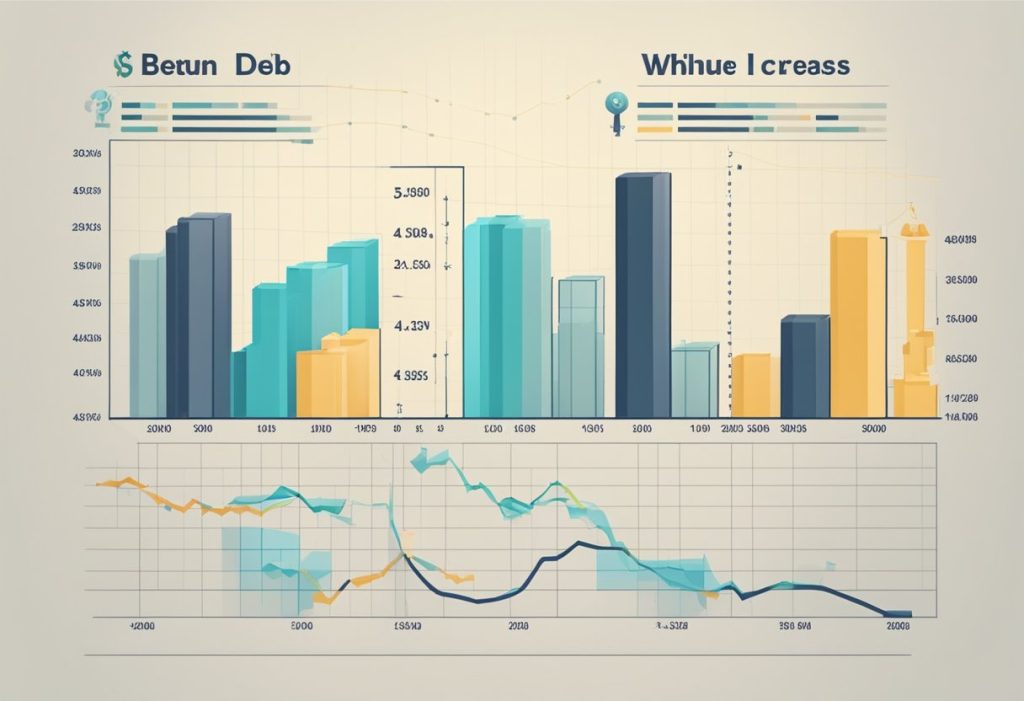
As individuals embark on their journey to pay off debt, tracking their progress and being flexible with their strategies are crucial. They should regularly assess how well their debt payoff plan is working and make necessary adjustments to stay on course.
Setting Short-term and Long-term Goals
One must delineate their financial objectives into manageable short-term milestones and overarching long-term targets. Short-term goals could include paying off a specific smaller debt within a few months, while long-term goals might focus on becoming completely debt-free in a number of years. Utilizing a debt payoff app or a spreadsheet can help visually map out these goals and track progress. For example:
| Goal Type | Description | Target Date |
|---|---|---|
| Short-term Goal | Pay off the credit card with the highest interest rate | July 2024 |
| Long-term Goal | Eliminate all credit card debt | December 2025 |
Adapting to Changes in Financial Situation
Financial circumstances can change, requiring adjustments to the debt payoff plan. If one’s income increases due to a raise or a new job, they might consider applying the extra money towards their debts. Conversely, if they experience a reduction in income or an unexpected expense, they may need to reevaluate their monthly payments. The ability to adapt is integral to successfully managing and paying off debts. To adapt effectively, one should:
- Review their budget monthly
- Assess any changes in income or expenses
- Adjust the allocation of funds towards debt repayment as necessary
Frequently Asked Questions
In this section, one will discover succinct answers to common queries about debt repayment strategies tailored to bring clarity to the pay-off process.
What methods are most effective for reducing credit card balances?
Using the debt avalanche method, where one pays off debts starting with the highest interest rate first, is one of the most effective ways to reduce credit card balances. This approach saves money on interest over time.
What are some viable approaches to managing and repaying personal debt?
Approaches to managing and repaying personal debt include the debt snowball and debt avalanche methods. Alternatively, one could consolidate debts or seek a balance transfer credit card with a lower interest rate.
Could you explain the snowball technique for eliminating debts?
The snowball technique involves paying off debts from smallest to largest balance, regardless of interest rate. This strategy creates psychological wins that can motivate one to continue paying off larger debts.
How can excessive debt be tackled most strategically?
Tackling excessive debt strategically often involves a detailed budget to reduce expenses, prioritizing debts with a specific repayment plan like the snowball or avalanche method, and seeking lower interest rates or professional debt counseling when necessary.
What is the most rapid approach to becoming debt-free?
The most rapid approach to becoming debt-free could be the debt avalanche method, which focuses on paying off high-interest debts first, potentially saving money and time. However, the fastest approach is individual-specific and depends on one’s debt situation and available resources.
How is it possible to clear a $10,000 debt swiftly?
To clear a $10,000 debt swiftly, one could make more than the minimum payments, reduce expenses to allocate more funds toward the debt, seek additional income sources, or apply for a balance transfer credit card with a 0% introductory rate to pause interest accrual.