
Debt Consolidation: A Smart Strategy for Managing Multiple Debts
Debt consolidation is a financial strategy employed by individuals looking to manage multiple debts more effectively. By consolidating various debts into one single loan with a potentially lower interest rate, individuals can streamline their payments, making the management of their financial obligations less complex and often more sustainable. This approach can simplify the repayment process by providing a single monthly payment, which may also have a lower total interest cost over time if the consolidation loan has a lower rate than the existing debts.

The decision to consolidate debt hinges on several factors including the individual’s current financial situation, the interest rates of existing debts, and their credit score. It is generally more favorable if monthly debt payments do not exceed 50% of one’s monthly gross income and there is adequate cash flow to cover the consolidated debt payment. Consolidation options vary widely, offering different terms, requirements, and benefits, which makes it crucial for consumers to compare and evaluate consolidation loans carefully based on their unique financial circumstances.
Discover Debt Payoff Strategies and more Debt Guides with Savingsprout!
Understanding Debt Consolidation
Debt consolidation is a financial strategy aimed at simplifying debt management and potentially lowering overall interest costs. It involves combining multiple debts into a single payment.
Definition and Basics
Debt consolidation allows individuals to streamline their finances by merging multiple debt obligations—such as credit card bills, loans, and other unsecured debts—into one payment. This simplification can lead to a single monthly payment, often at a reduced overall interest rate, providing clarity and often making it easier to manage finances.
- Primary Goals:
- To simplify monthly payments
- To lower total interest rates
- To potentially reduce repayment periods
Types of Debt Consolidation
There are several methods by which one can consolidate debt:
- Debt Consolidation Loans: A new loan is taken to pay off existing debts. These loans are usually unsecured personal loans.
- Balance Transfer Credit Cards: These cards allow debtors to transfer various debts onto a single card, often with a lower introductory APR.
- Home Equity Loans: For homeowners, these offer lower rates through a loan secured by the home’s equity.
- Debt Management Plans: These involve a third party helping to negotiate lower rates with creditors and setting up a payment plan.
Each method comes with its own potential benefits and drawbacks, and the most appropriate choice will depend on an individual’s specific financial situation and debt profile.
Evaluating Your Financial Situation
Before considering debt consolidation, one must conduct a thorough assessment of their current financial standing, focusing on outstanding debts and understanding how credit scores may influence options.
Assessing Debts and Finances
One should begin by listing all debts, including the amount owed, interest rates, and monthly payments. This can be visualized in a table format for clarity:
| Creditor | Amount Owed | Interest Rate | Monthly Payment |
|---|---|---|---|
| Credit Card A | $5,000 | 19.99% | $150 |
| Student Loan | $20,000 | 6.8% | $250 |
| Personal Loan | $10,000 | 7.5% | $200 |
| Additional Debts | … | … | … |
Next, an individual should review their monthly income and expenditures to calculate their overall financial flexibility. Any financial assessment must also consider savings and emergency funds that could affect the individual’s ability to maintain debt payments.
Credit Score Considerations
One’s credit score is a vital element when looking at debt consolidation options as it often determines eligibility for certain consolidation loans or balance transfer credit cards. A higher credit score can secure lower interest rates and better loan terms. Conversely, a lower credit score might limit options and lead to higher interest rates. Regularly checking one’s credit report is important to ensure accuracy and to understand the possibility of improving the current credit score before applying for debt consolidation to ensure the best possible terms.
Debt Consolidation Options
When considering debt consolidation options, one seeks methods to streamline payments, potentially reduce interest charges, and lower monthly debt payments. These options vary by financial product and may affect credit scores differently.
Debt Consolidation Loans
Debt consolidation loans involve taking out a new loan to pay off multiple debts. This results in a single monthly payment, often with a lower interest rate than the original debts. They can be unsecured personal loans or secured loans, depending on the lender’s requirements and the borrower’s creditworthiness.
Credit Card Balance Transfers
Credit card balance transfers allow individuals to move debt from multiple credit cards to one card with a lower interest rate, often an introductory rate. It’s crucial to check the length of the low-interest period and any balance transfer fees that might apply.
Home Equity Loans and HELOCs
Home equity loans and Home Equity Lines of Credit (HELOCs) leverage the equity in one’s home as collateral for consolidating debt. Home equity loans provide a lump sum with a fixed interest rate, while HELOCs offer a line of credit with a variable rate. These options typically have lower interest rates compared to unsecured loans but come with the risk of losing one’s home if payments are not made.
The Consolidation Process
Debt consolidation streamlines multiple debts into a single manageable loan, potentially with a lower interest rate and monthly payment.
How to Apply for Consolidation
Gathering Financial Information
One initiates the consolidation process by detailing their existing debts. This includes listing:
- Outstanding balances
- Interest rates
- Monthly payments
- Lenders’ information
Credit Assessment
They then assess their credit score, as it’s a key factor lenders consider for a consolidation loan. A higher credit score enhances the chances of approval and favorable terms.
Loan Comparison
Comparing different consolidation loan options is essential. Individuals should look for loans with lower interest rates than their current debts to ensure savings.
Application Submission
Once a suitable loan is chosen, they must complete and submit the application form. They should provide accurate financial data along with any required documentation.
The Role of a Debt Consolidator
Assessment of Debts
A debt consolidator reviews an individual’s financial situation to offer appropriate loan options.
Facilitating the Loan
They handle the process of paying off the existing debts once the consolidation loan is secured.
Financial Guidance
Debt consolidators often provide advice on managing the new consolidated loan, helping to prevent the accumulation of further debt.
Pros and Cons of Debt Consolidation
Debt consolidation can be a strategic move for managing multiple debts, but it comes with its own set of advantages and drawbacks. Individuals must carefully assess their financial situation to determine if this option aligns with their debt repayment goals.
Advantages of Consolidation
- Simplified payments: Debt consolidation combines multiple debts into one single payment, streamlining the management process.
- Lower interest rates: Often, consolidation loans have lower interest rates than the combined rates of existing debts, which can lead to significant savings.
- Improved credit score: Consistent on-time payments toward a consolidated loan may enhance an individual’s credit score over time.
Risks and Disadvantages
- Potential for higher costs: If the term of the consolidation loan is extended, the borrower may pay more in interest over the life of the loan.
- Collateral risk: Consolidation loans secured against an asset (like a home) can pose a risk to the asset if the borrower defaults on the loan.
- Short-term relief: Without a change in spending habits, consolidation may only provide temporary relief, as there is a risk of accruing new debt.
Strategies for Successful Debt Consolidation
Debt consolidation can be an effective strategy for managing and paying off debt. A successful approach involves detailed budgeting, planning for repayments, and strategies to avoid future debt.
Budgeting and Repayment Planning
Establishing a solid budget is the cornerstone of any debt consolidation strategy. One should calculate their income, assess their expenses, and determine a feasible monthly payment amount for debt consolidation. It’s critical to ensure that the new consolidated payment is manageable within one’s budget to avoid default. Additionally, one might consider either a balance-transfer credit card with a 0% APR introductory period or a fixed-rate debt consolidation loan to bring together multiple debts into a single payment.
- Assess Monthly Income: Total monthly income from all sources.
- Determine Expenses: List all monthly expenses to understand spending patterns.
- Allocate Funds for Repayment: Decide on an affordable amount that can be directed towards debt repayment.
- Research Consolidation Options: Choose between balance-transfer cards or fixed-rate loans based on the budget.
Avoiding Future Debt
Once consolidation is underway, it’s imperative to adopt habits that prevent accruing new debt. One should refrain from using credit cards excessively and aim to save a portion of their income regularly. A contingency fund for unexpected expenses can reduce the reliance on credit in emergencies. Regular monitoring of accounts helps one stay on track and adjust their budget if spending rises.
- Use Credit Wisely: Limit the use of credit cards and pay the balance in full each month.
- Build Savings: Set aside a percentage of income every month into a savings account.
- Emergency Fund: Aim to establish a fund to cover unforeseen expenses.
- Account Monitoring: Keep a close watch on accounts to manage and adjust spending as needed.
Debt Consolidation and Credit Impact
Debt consolidation can influence an individual’s credit score in various ways, with distinct short-term and long-term effects.
Short-Term Credit Implications
When a person opts for debt consolidation, their credit report will typically show a hard inquiry as they secure a new loan. This hard inquiry may cause a small and temporary dip in their credit score. Furthermore, consolidating debt means opening a new account; this can lower their average account age, potentially reducing their credit score in the short term.
- Hard inquiries: Can decrease the credit score slightly.
- New credit accounts: May lower the average age of accounts.
Long-Term Credit Health
In the long term, debt consolidation can be beneficial to someone’s credit score if managed responsibly. Consistent, on-time payments towards the consolidated loan can improve payment history, which is a significant factor in credit scoring. Similarly, by paying off credit cards and other debts, individuals can reduce their credit utilization ratio, which can have a positive effect on credit scores.
- Payment history: Making timely payments improves this key credit factor.
- Credit utilization: Lower utilization can lead to an increase in credit scores.
Alternatives to Debt Consolidation
When seeking relief from multiple debts, consumers may consider strategies beyond traditional debt consolidation loans. Each alternative offers distinct advantages and considerations.
Debt Management Plans
A debt management plan (DMP) typically involves working with a credit counseling agency to create a strategy to pay off debts within a stipulated timeframe. The agency may negotiate lower interest rates with creditors and set up a single monthly payment for consumers which it then distributes to creditors.
Debt Settlement
Debt settlement is a process where consumers negotiate with creditors to pay a lump sum that is less than the full amount owed. This can be done with the help of a debt settlement company or independently. While this may decrease overall debt, it can also negatively impact credit scores and has tax implications.
Bankruptcy
In extreme circumstances, filing for bankruptcy may be a viable option. Bankruptcy can either liquidate assets to pay off debts (Chapter 7) or create a supervised repayment plan (Chapter 13). While bankruptcy can provide a fresh start, it has long-lasting effects on an individual’s credit history and ability to borrow in the future.
Legislation and Consumer Protection
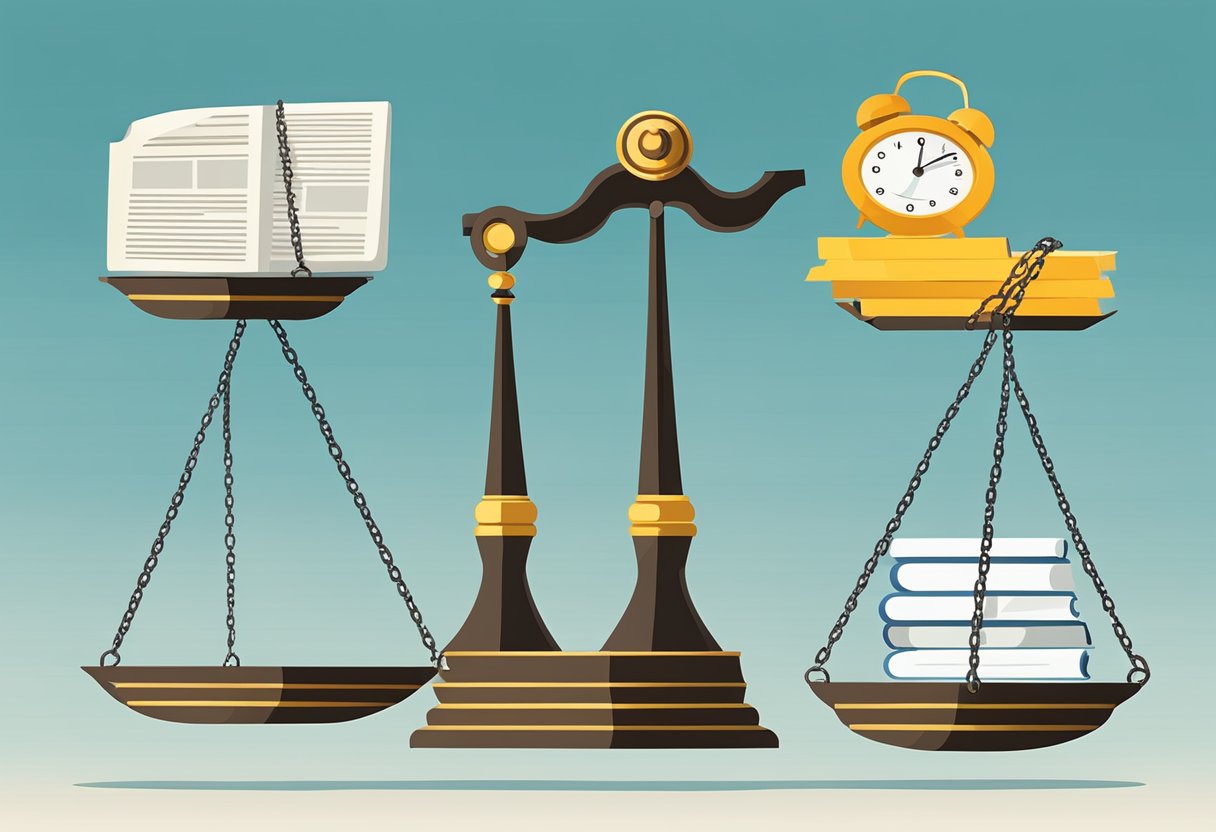
Legislation at both the federal and state levels provides a framework designed to protect consumers in the context of debt consolidation. It’s essential for consumers to be aware of these regulations and their rights to navigate debt consolidation effectively.
Federal and State Regulations
The Federal Consumer Credit Protection Act serves as the cornerstone of consumer credit legislation. This act encompasses several key statutes including the Fair Debt Collection Practices Act (FDCPA) which regulates the conduct of debt collectors. The Credit Card Accountability Responsibility and Disclosure Act of 2009 (CARD Act) and the Telemarketing Sales Rule (TSR) by the Federal Trade Commission (FTC) also offer protections against misleading credit card practices and abusive telemarketing strategies, specifically in relation to debt relief services.
State laws may complement federal regulations, often providing additional safeguards. However, these laws vary widely between states, making it crucial for consumers to understand the specific protections available in their jurisdiction.
Understanding Your Rights
Consumers should be informed about their rights to avoid falling prey to unfair practices.
- Right to Information: Debt collectors must provide clear and accurate information regarding the debt.
- Right to Privacy: Regulations limit how and when debt collectors can contact consumers.
- Right to Dispute Debt: Consumers can challenge the validity of a debt within a specified timeframe.
- Right to Fair Treatment: Harassment and abuse by debt collectors is prohibited.
Familiarity with these rights is the first line of defense against exploitation in the process of debt consolidation. Consumers who feel their rights have been violated can file complaints with the Consumer Financial Protection Bureau (CFPB) or the FTC.
Remember, knowledge of applicable legislation and one’s own rights is imperative for consumers considering debt consolidation.
Resources and Tools for Debt Consolidation
When seeking to consolidate debt, individuals have access to various tools and resources that can assist in evaluating options and making informed decisions. These include online calculators to estimate savings and non-profit credit counseling for personalized advice.
Online Calculators
Online calculators are valuable tools for anyone considering debt consolidation. They allow one to input their debt amounts, interest rates, and other financial variables to:
- Estimate monthly payments: Helps to determine what the new consolidated payment may be.
- Calculate potential interest savings: Shows how much one might save on interest over the life of a consolidation loan.
These calculators often provide a side-by-side comparison of current debts versus the potential new loan, giving a clearer picture of the financial impact of consolidating debt.
Non-Profit Credit Counseling
Non-profit credit counseling agencies offer free or low-cost services to individuals struggling with debt. They provide:
- Personalized financial assessments: A counselor reviews one’s financial situation to offer specific advice.
- Education on debt management: These agencies help individuals understand their options and the effects of debt consolidation.
- Assistance with budgeting: One can receive help with creating a budget that incorporates consolidated debt payments.
It’s important to research and choose a reputable credit counseling agency to ensure one receives high-quality advice and assistance.
Frequently Asked Questions
In this section, key insights into debt consolidation methods and their impacts are explored through a series of common questions.
What are the differences between debt consolidation programs and loans?
Debt consolidation programs often involve working with a counseling agency to manage repayment, while debt consolidation loans require taking out a new loan to pay off existing debts.
How can I consolidate debt if I have bad credit?
Individuals with bad credit may still be able to consolidate their debt through secured loans or with the help of a co-signer, though they should expect higher interest rates.
What are the potential disadvantages of taking out a debt consolidation loan?
One may face potential disadvantages such as longer payment periods or the risk of paying more interest over time if the terms of the consolidation loan are not carefully considered.
Which financial institutions provide the best options for debt consolidation loans?
Banks, credit unions, and online lenders all offer debt consolidation loans, with the best option varying based on the individual’s credit history, financial situation, and the institution’s terms.
How does consolidating your debts affect your credit score?
Consolidating debts can initially lower your credit score due to the hard inquiries made during loan applications, but timely payments on the consolidation loan may eventually improve it.
What is the process of consolidating credit card debt?
The process entails obtaining a new loan or balance transfer credit card to pay off multiple credit card balances, ideally securing a lower interest rate to reduce the overall debt burden.